Samsung fined $15 million: Galaxy S21, S22, and Tab S8 gaming performance found misleading
The US Federal Trade Commission (FTC) fined Samsung $15 million (20 billion KRW) over misleading advertisements regarding the gaming performance of its Galaxy S21, S22, and Tab S8 devices. So, what exactly happened? Here are the details...
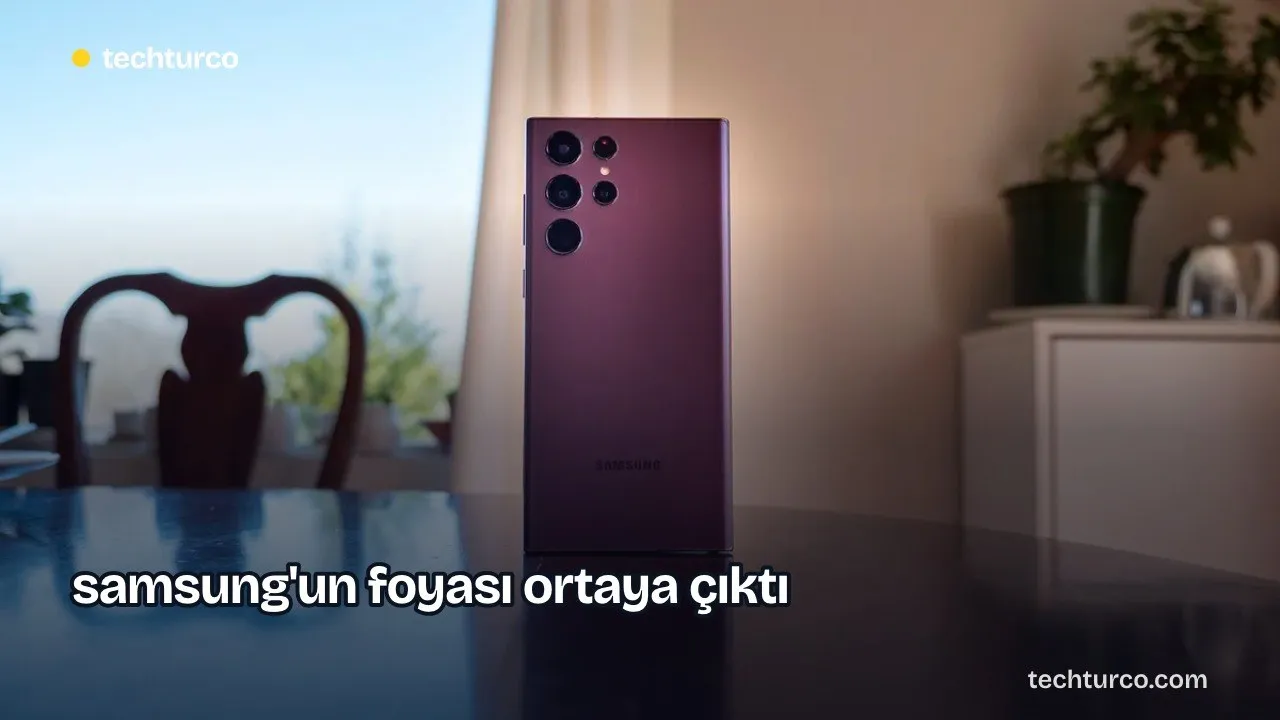
Smartphone manufacturers are trying every avenue when marketing their devices. From time to time, gaming performance is brought to the fore, while at other times artificial intelligence (AI) features are highlighted. However, Samsung has been hit with a million-dollar fine due to misleading advertising in its older flagship models.
As reported by Yonhap News (via SamMobile), the FTC fined Samsung 20 billion KRW (approximately 15 million dollars) for misleading mobile gamers with the Galaxy S21, Galaxy S22, and Galaxy Tab S8 series.
According to the FTC's statement, gaming performance was one of the most effective indicators showcasing the capabilities of premium smart devices through fast screen transitions and detailed graphic effects. However, it is stated that Samsung's older advertisements presented an experience that users rarely experienced.
What was GOS and why did it cause problems?
GOS, found in the devices in question, is defined as a game optimization service. According to the source, this service acted as a "thermal management system" for games. According to the FTC's findings, however, GOS was an element that throttled performance rather than helping gamers. When a game was launched, the service limited the device's performance, which led to drops in graphics performance, freezes, and lags.
If the device overheats, a slight drop in performance can be expected, as these devices have built-in systems to prevent total failure. However, the point highlighted by the FTC was that GOS limited GPU and CPU performance whether the device was hot or cold.
The attitude of the FTC and Samsung
The FTC states that its decision demonstrates once again that companies must clearly inform consumers about significant factors affecting performance.
On the other hand, in a Samsung statement obtained by Yonhap News, it was argued that GOS was deployed so that "users could play games stably for long periods." Reportedly, Samsung plans to defend itself against the FTC's fine.
Thermal management or a hidden restriction?
This news shows how disappointed users can be when actual performance does not match what is promised in advertisements. A problem arises when the promised performance is not delivered in any feature of a phone, tablet, or computer. The real issue is that the company fails to inform the user about these limitations.
The gaming experience on smartphones has improved significantly in recent years. Samsung's flagship models are part of this evolution; however, there are still areas for improvement. For example, the Galaxy S25 Ultra can run demanding games like Wuthering Waves, but some settings need to be lowered for a stable and smooth frame rate (FPS). Of course, there are other devices that can handle such demanding games more comfortably.
The most striking aspect of the news is that GOS was defined as a thermal management system. Samsung is a company known for overheating issues, particularly with its Exynos chips. Exynos heating up quickly had long been criticized. Samsung demonstrated that it made progress on this issue with the Exynos 2600, and rumors are circulating about the Exynos 2700 featuring further improvements.
This article was translated from Turkish. Read the original article in Turkish.