Samsung Galaxy A price hikes of up to 19% set for January 2027
Samsung is reportedly raising prices on several Galaxy A models by up to 19%, or $60, with the new list expected to take effect on January 1, 2027. Rising memory chip costs are cited as the driver.
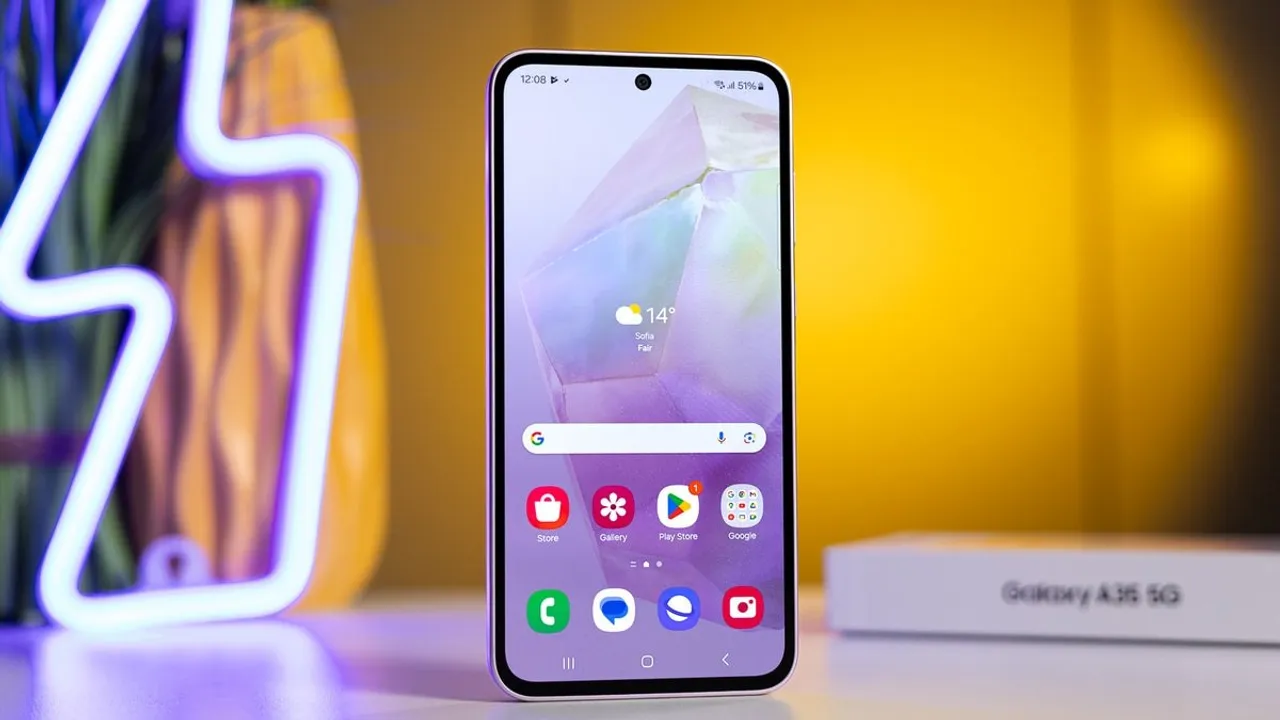
In Turkey, Galaxy A series phones, which sell like hotcakes, are now moving out of the cheap phone category. Samsung is preparing a price increase for the Galaxy A series.
According to an industry report, the company plans to raise the prices of some Galaxy A models by up to 19 percent, or 60 dollars. The new price list is expected to take effect on January 1, 2027.
According to the report, Samsung has also revised prices for some Galaxy M and F models alongside the Galaxy A series. The new wave of increases is expected to be felt in the US in early 2027. According to the table in the source, the price increases range from 9.1 to 18.6 percent depending on the model.
Price changes by model
| Model | Current price | New price (January 1) | Increase |
|---|---|---|---|
| Galaxy A07 5G | 199 dollars | 229 dollars | +30 dollars (15.1%) |
| Galaxy A18 LTE | 259 dollars | 299 dollars | +40 dollars (15.4%) |
| Galaxy A17 5G | 269 dollars | 319 dollars | +50 dollars (18.6%) |
| Galaxy A27 | 359 dollars | 399 dollars | +40 dollars (11.1%) |
| Galaxy A37 | 439 dollars | 499 dollars | +60 dollars (13.7%) |
| Galaxy A57 | 549 dollars | 599 dollars | +50 dollars (9.1%) |
The increase may not be limited to base model prices. According to the report, Samsung is also considering price increases for RAM and storage upgrades. In particular, raising the price of the 128 GB storage or 4 GB DRAM upgrade from 80 dollars to 100 dollars is being considered, which would mean a 25 percent increase.
Why are memory costs rising?
Demand for artificial intelligence (AI) infrastructure is increasing the need for memory chips. Manufacturers have shifted their focus to server-grade DRAM and enterprise SSDs, which has created an effective shortage of general-purpose memory chips.
According to Samsung's third-quarter report, the company's mobile memory purchases amounted to 7.7 trillion won, accounting for more than 12 percent of the DX Division's total raw material spending. Its main suppliers include the US-based Micron and Japan's Kioxia. The source states that the share of memory costs in the total material expenses of mid-range and entry-level smartphones rose from 20 percent to 54 percent in just over a year.
An industry official summed up the situation this way: "Rising memory prices are pushing up the retail prices of smartphones, which is suppressing consumer demand."
This article was translated from Turkish. Read the original article in Turkish.