Apple's foldable iPhone Duo gets face unlock, but Apple Pay is blocked
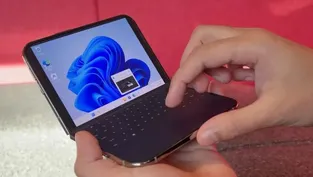
The second iOS 27.3 developer beta adds a face unlock feature to the foldable iPhone Duo, but it is based on HomeView-style person recognition rather than Face ID. The feature does not authorize Apple Pay or Apple Wallet payments.
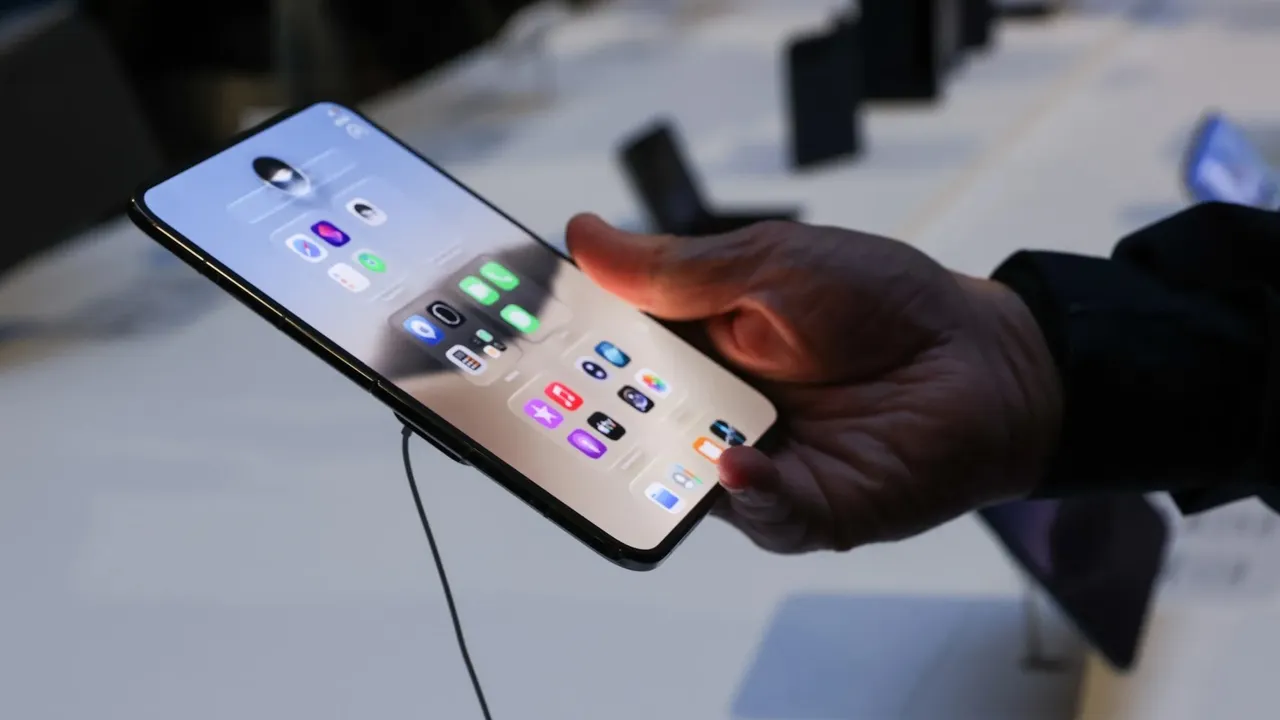
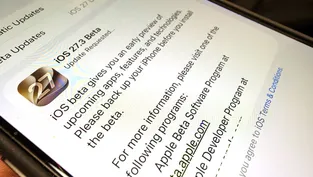
iOS 27.3 beta 2 update was released to developers a short while ago. The new update also brings many new features and improvements for the foldable iPhone Duo. Most importantly, the Duo now supports unlocking with face recognition. However, while adding this feature, Apple has also prevented one of the most important features from working.
Apple is adding the face unlock feature to the iPhone Duo, its first foldable iPhone, with the second developer beta of iOS 27.3. However, the feature does not authorize Apple Pay and Apple Wallet payments.
The iPhone Duo went on sale with Touch ID instead of Face ID, on the grounds that there is no room for a TrueDepth sensor in the hinge and display layers. The new face unlock is not Face ID. Apple is adapting the person recognition technology from the HomeView smart display. This technology can recognize up to six people in a home from the camera.

How does face unlock work?
Face unlock on the iPhone Duo is protected by the Secure Exclave, a memory-protected area in the A20 Pro processor, rather than the Secure Enclave chip that stores Face ID data.
The feature is not as comprehensive as Face ID and may be more vulnerable to attacks. Apple is making face unlock available with the following limits:
- It only unlocks the phone; it does not authorize Apple Pay or Apple Wallet payments.
- Sensitive content such as passwords and banking apps still requires Touch ID or a passcode.
- For unlocking to work, the device must have been unlocked with Touch ID or a passcode within the last 45 minutes.
- It only works with the front screen and camera; it does not work when the iPhone Duo is open.
Face unlock is disabled by default. Those who want to use it will be able to enable the option by installing the iOS 27.3 beta or the version once released, then following Settings > Touch ID and Passcode.
Lock on close option
iOS 27.3 also adds a new option that locks the device when the iPhone Duo is folded. Until now, closing the phone did not lock it; users had to press the side button to put it to sleep. The new setting is optional. Those who want to switch between folded and open use without locking the phone will be able to keep this option off. The setting path is Settings > Display & Brightness.

Other changes
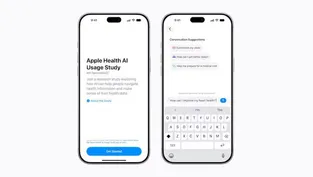
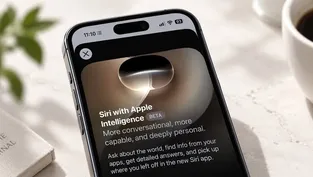
The update brings changes to all iPhones, including the return of the Health app, vertical Safari tabs, and Siri's AI app actions. Developers and general beta testers can already install the beta. The current public version is iOS 27.2.1; Apple released it last week to fix security vulnerabilities and bugs. The update also closes two iMessage flaws that allowed people to read messages they should not have access to.
Comparison with rivals
Among foldable phones sold in the US, only Google's new Pixel foldable models offer secure face verification. Face recognition on Samsung's Galaxy phones is not strong enough to protect sensitive content and is mainly used to unlock the device.
Apple has not announced a release date for iOS 27.3. It will likely arrive around early December.
This article was translated from Turkish. Read the original article in Turkish.