Google, which keeps changing its mind about how it integrates AI into its search engine, has made another move, this time on the search homepage.
Google is refreshing its homepage and removing the "Google Search" button. The new design treats search less as a one-off keyword query and more as an ongoing conversation. On desktop, the homepage also gets a collapsible sidebar that shows recent AI searches and lets users pick up where they left off.
Search experience being improved
The reason for the change is a shift Google has seen in user behavior. According to the company, people increasingly ask several questions in a row and dig deeper into the same topic by building on earlier searches, rather than treating each search as an independent query. The new homepage therefore puts continuity and a chat-like feel front and center, bringing search closer to talking with an AI chatbot. The article does not give the full name or title of the Google spokesperson identified only as "Stein."
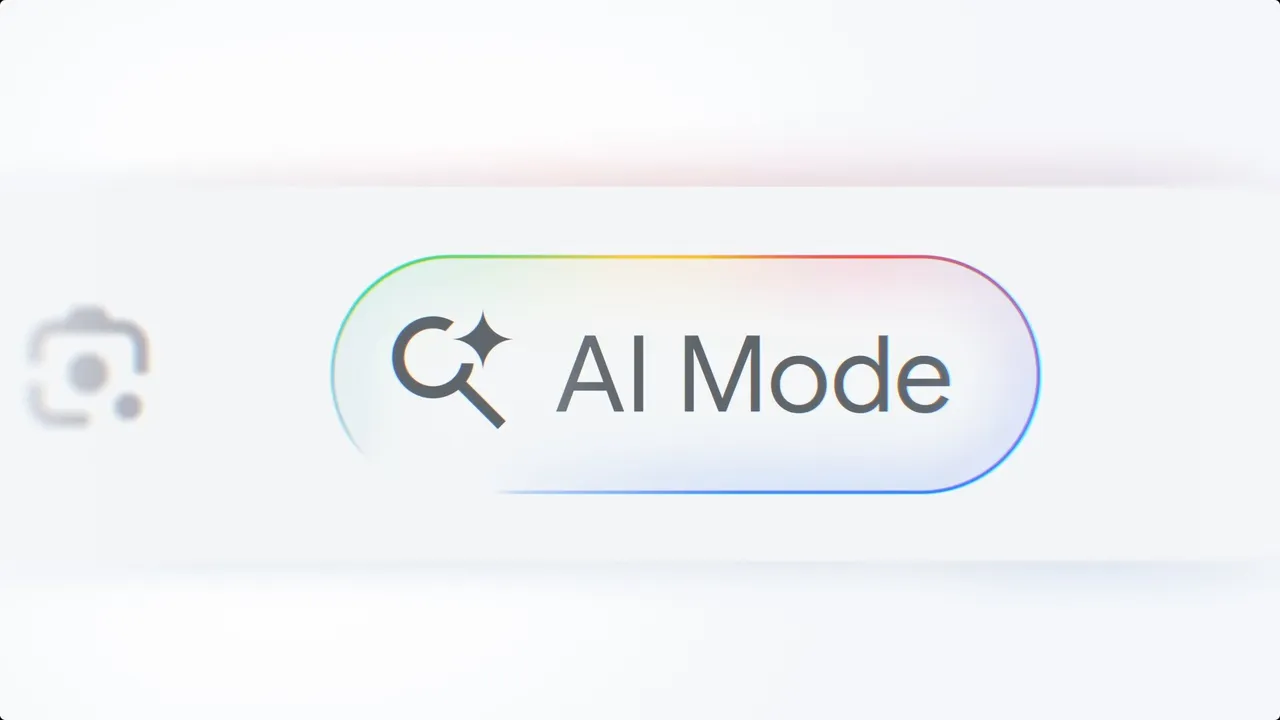
The new page also makes AI tools more visible. Image generation, analysis of uploaded files and idea generation with Gemini now appear on the homepage. AI Mode had already replaced the traditional search button on the mobile interface; the desktop redesign continues that trend.

The move also revives concerns about web traffic. Some sites, Neowin among them, say AI features such as AI Overviews let users find their answers on the search results page, producing "zero-click" searches in which the user never visits the source site. As AI features take up more space in search, pressure on smaller publishers and content sites could grow.

For an ordinary user, the removal of the button may not make much difference. Many people already type a keyword and press Enter or click an autocomplete suggestion, and few move the cursor to the "Google Search" button. The change is therefore being read largely as a symbolic shift in the interface. The real direction is Google search moving from a traditional keyword-driven structure toward an AI-powered, chat-style experience.