TechTurco WhatsApp ChannelOne-way channel: your number stays private
Apple
200,000 TL MacBook Pro torn down: Secret behind the illuminated logo revealed
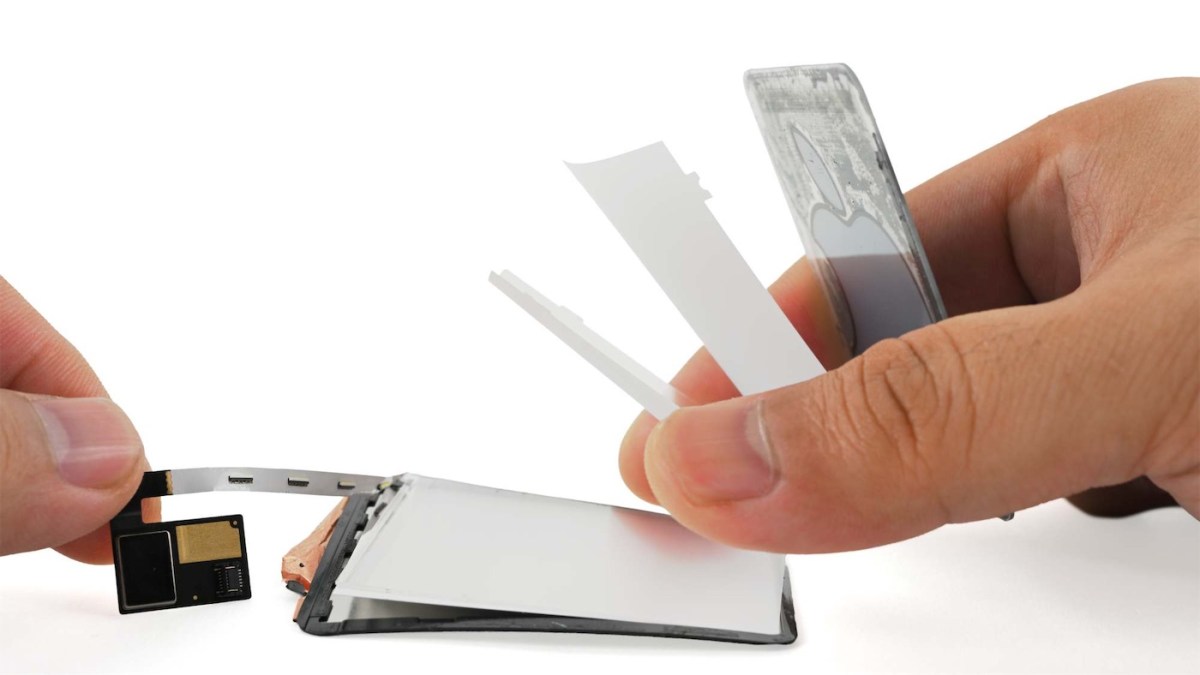
MacBook Pro iFixit teardown report: illuminated logo
Contents
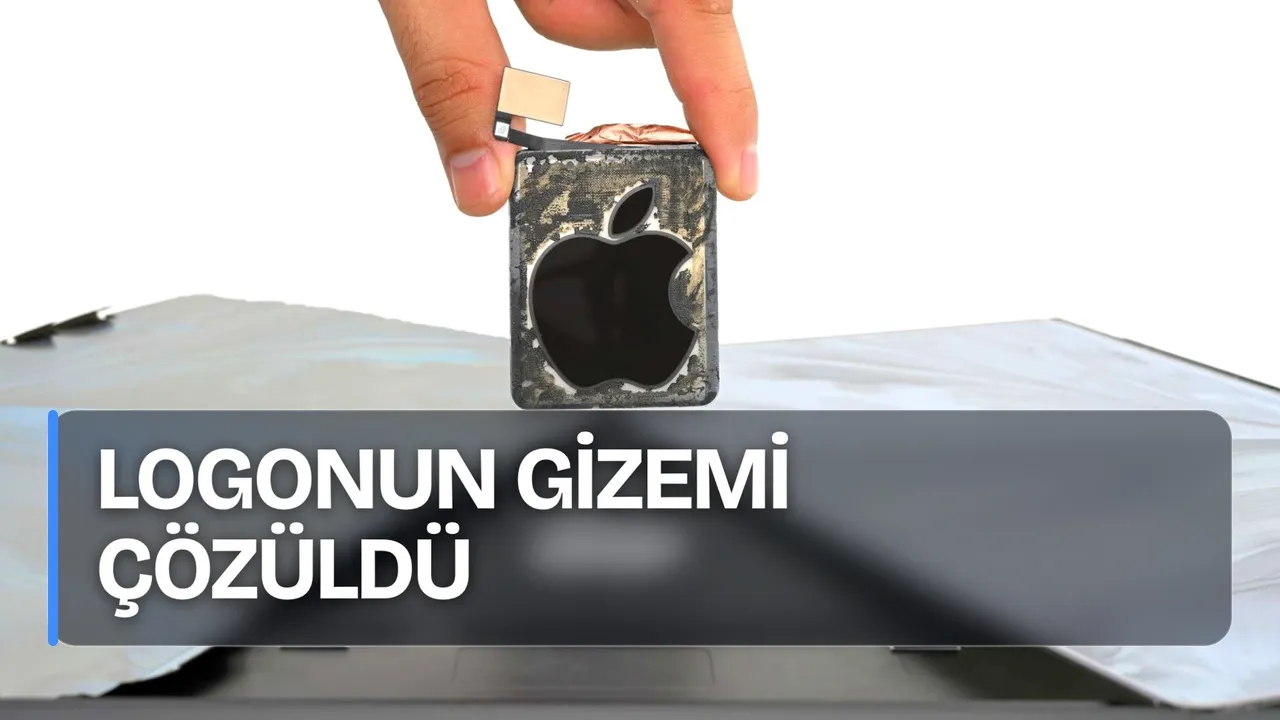
The OLED MacBook Pro model announced by Apple at a major launch event was dismantled by iFixit. The secret behind the glowing logo of the 200,000 TL computer was also revealed.
The MacBook Pro teardown revealed the components that reduced the device's weight by a total of 203 grams, the tandem OLED display structure, and the technical details of the reintroduced illuminated logo. Repair and analysis team iFixit dismantled Apple's new MacBook Pro model featuring OLED technology and touchscreen support. The analysis showed which parts contributed to the weight reduction in the chassis and the engineering behind the illuminated Apple logo that returned to the body.

How Was the 203 Gram Weight Reduction Achieved?
The touchscreen MacBook Pro PROLED model weighs 1.82 kg, arriving lighter than the previous generation model, which weighed 2.14 kg. The 14-inch PROLED version dropped to 1.38 kg compared to the 1.60 kg 14-inch M5 Pro model.
Reklam
According to iFixit's measurements, the total weight reduction of 203 grams came from the following components:
| Component | Weight Difference |
|---|---|
| Aluminum Chassis | 92 grams lighter |
| Display Panel Assembly (Including Touch) | 101 grams lighter |
| Trackpad | 8 grams lighter |
| Battery Module | 2 grams lighter |
OLED Display and the New Structure of the Illuminated Logo
In older MacBook models, the illuminated Apple logo on the back of the lid used light reflected from the LCD screen's backlight. With the transition to OLED (organic light-emitting diode) technology, where each pixel generates its own light without an external backlight, this method became impossible.

While traditional LCD panels use edge or back lighting, mini-LED screens improved this system with small LED chips. Because OLED panels generate light directly on a pixel level, they do not include an additional backlight layer. This structure allows blacks to appear truly black and prevents light bleeding (halo effect) around bright objects on dark backgrounds.
Reklam
Be the first to know
Join our channel and get key developments straight on your phone.
TechTurco Telegram ChannelMute or leave any time
Due to this technical limitation, Apple placed an independent lighting module behind the logo dedicated solely to this task. Directly behind the logo are four vertical LEDs and diffuser components positioned to spread the light evenly. iFixit stated that this structure, located behind the display panel, cannot practically be replaced by a user or technician.

Repairability Assessment
Opening the chassis has become easier. The number of screws holding the bottom cover of the device was reduced from eight in previous models to four. However, improvements in repairability remained limited to this change.
Accessing the USB-C ports, one of the components likely to need replacement, requires completely removing the logic board. The HDMI port and the SSD components that make up the storage unit are soldered directly to the logic board. These components cannot be replaced or upgraded independently.
Reklam
Reklam
This article was translated from Turkish. Read the original article in Turkish.
More in Apple