Long hours spent on a phone or tablet may affect more than attention and productivity. A new study by researchers at the University of Eastern Finland found links between screen time and the structure of the young brain. Magnetic resonance imaging (MRI) scans showed changes in gray matter volume in regions tied to memory, attention, decision-making and visual processing.
However, the study does not establish a cause-and-effect relationship. The researchers say they found a connection between screen habits and brain structure, but they did not prove that screens cause these changes.
Screen habits appear linked to brain structure
The study, published in NeuroImage: Reports, examined 44 healthy teenagers aged 16 to 19: 25 girls and 19 boys. The researchers measured gray matter volume using MRI and used questionnaires to assess leisure screen time, smart device use and physical activity. Physical fitness was measured with the shuttle run and standing long jump tests.
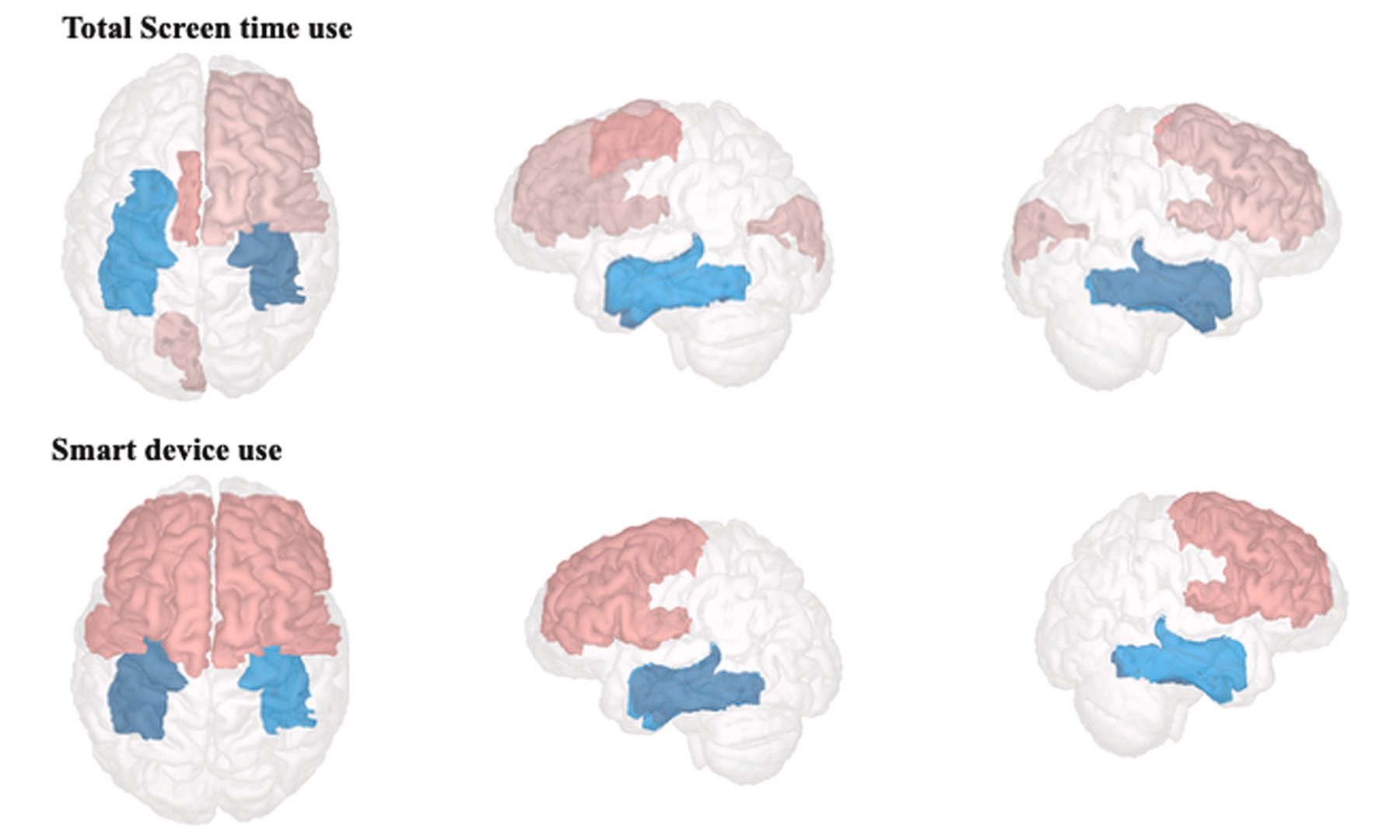
Teens with high screen time and smart device use tended to have lower gray matter volume in the medial temporal lobe, a region involved in memory and learning. At the same time, heavier screen use was linked to larger gray matter volume in frontal lobe areas associated with attention, working memory, decision-making and motor planning. A connection was also found in the occipital lobe, which processes visual information.
More gray matter is not always better
According to the researchers, the larger volume in some frontal and visual regions may reflect the demands of apps and games that require attention, movement and visual processing. The team also points to another possibility: during adolescence, the brain naturally prunes rarely used connections and makes neural networks more efficient. More gray matter in certain areas could indicate that this process is progressing differently.

The study's lead researcher, Hannamari Skog, says the results show that everyday habits are linked to brain structure during adolescence, but that these relationships are complex and more research is needed to understand their long-term meaning.
Physical activity and fitness were also associated with brain structure, but those results were more complicated, and after corrections for multiple comparisons, some of them were no longer statistically significant.
The study is relatively small and offers a single snapshot without following participants over the years. It does not show that scrolling through short videos shrinks anyone's brain. Still, it adds to a growing body of research on how digital habits and physical activity relate to a developing brain.
So, how much do you use your phone each day?