Volkswagen takes action: Old vehicles are being dismantled
German automotive giant Volkswagen has expanded one of its factories that has been manufacturing for centuries with a new line of business. Old vehicles will now be dismantled at this factory.
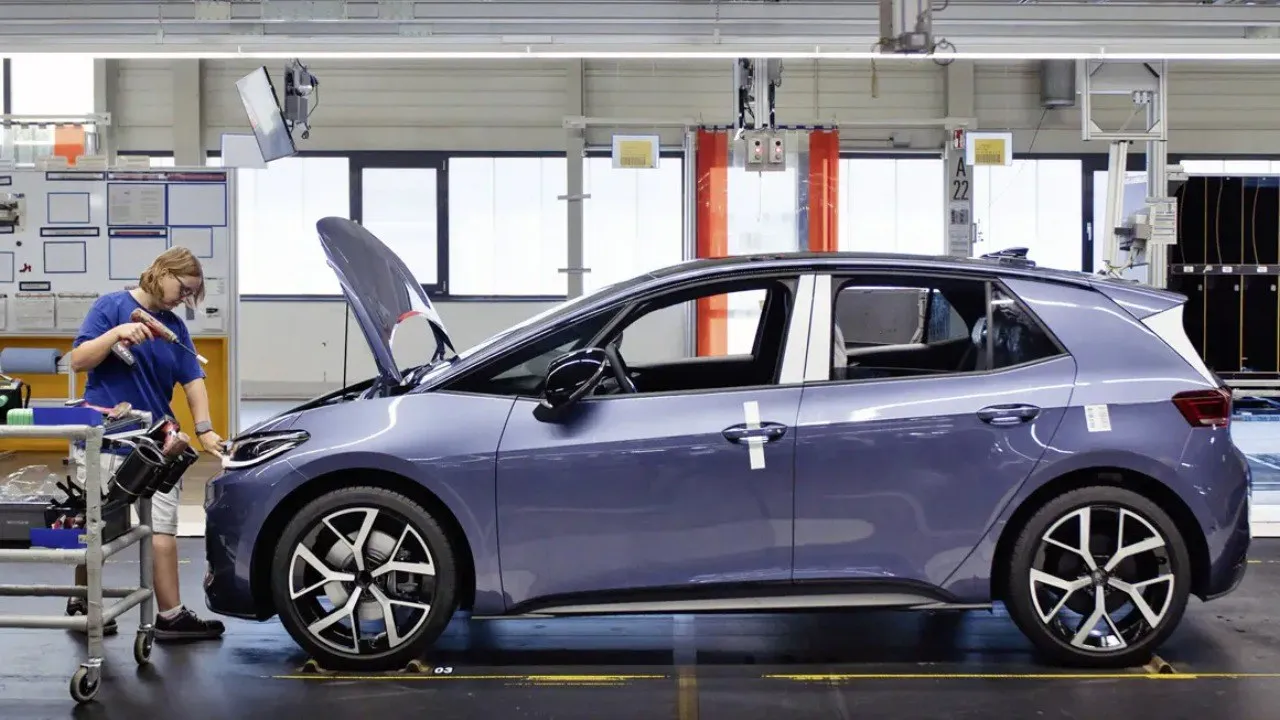
Automotive giant Volkswagen is now starting to dismantle parts of old vehicles in one of its factories where it has been manufacturing for years. In Zwickau, where vehicle production takes place, cars that have reached the end of their service life will now be dismantled.
The German giant has commissioned its first dismantling line in Zwickau. With this step, the group aims to create a new revenue stream from the trade of used vehicle parts.
Speed stood out in the implementation of the project. Conversion and permit processes were completed in nine months. Thomas Schäfer, CEO of the VW brand, said, "As of today, we will not only manufacture vehicles in Zwickau, but also dismantle them again with the same industrial precision."
How does the process work in the factory?
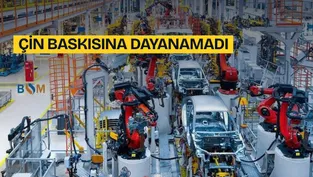
An eight-station dismantling line was set up in Hall 23 of the factory. The line was first tested with pre-series vehicles. In the future, mainly used vehicles will be processed.
The process begins with a general inspection of the vehicle. Then, reusable parts such as doors, fenders, and headlights are dismantled. The engine and transmission are also on this list. Each part undergoes quality control, is documented with photographs, and is individually packaged. This way, the parts can be offered to service centers and authorized dealers.
A second life for parts
On the other hand, according to Volkswagen's statement, the goal of the Kreislaufwirtschaft Kompetenzzentrum is to recondition or completely scrap used vehicles depending on their condition. It is stated that there is demand for original parts, especially in the repair of older models.
The goal is to recover raw materials such as steel, aluminum, and plastic remaining after dismantling. The remaining materials will be recycled by business partners. Additionally, it is planned to transfer the experience gained from dismantling to new vehicle development processes.
Goals and employment
According to the plan provided in the source, it is projected that 4,100 vehicles will be dismantled in 2027 with two-shift operations. This number is targeted to be gradually increased to 15,000 annually by 2030. The number of employees in this area is initially 100 and is planned to be raised up to 1,000 later. Volkswagen states that no new jobs will be created and that existing employees will transition from vehicle production to the dismantling line.
Similar examples in the sector and EU regulation
Kreislaufwirtschaft is a new business area for Volkswagen. In Europe, manufacturers such as Renault, Stellantis, and Toyota have similar facilities. On the other hand, Volkswagen also has to comply with the EU's new Altfahrzeugverordnung regulation. According to this regulation, 15 percent first, and then 25 percent of the plastic used in new vehicles must come from recycled material.
Why Zwickau?
The Zwickau factory has an automotive history of over a century and stands out for its flexible production structure. It is also in a pioneering position within the Volkswagen group in electric vehicle production. Due to overcapacity in Germany, the production of certain models must be phased out. In this context, Kreislaufwirtschaft was assigned to Zwickau as a new business area. Volkswagen's previously announced investment amount for this center is 90 million euros. The state of Saxony is supporting the project with up to 10.7 million euros.
Is the future of the factory secured?
Zwickau is one of four factories of Volkswagen and Audi in Germany. It is being discussed that vehicle production in these factories could end in the early 2030s. Today, approximately 8,000 people work at the facility.
The works council argues that dismantling carries employment potential, but vehicle production at the plant must continue. Stefan Bratzel from the Center of Automotive Management states that the project could be an important building block in the transformation, but it does not mean a long-term guarantee. According to him, what is decisive is whether Zwickau can competitively produce new vehicles in the future.
Saxony Economy Minister Dirk Panter (SPD) evaluated the development as an "important milestone for the Saxony automotive industry." According to Panter, Zwickau is once again assuming a pioneering role within the Volkswagen group with Kreislaufwirtschaft.
IG Metall Regional Director Jan Otto, on the other hand, considers it positive that the project has been started, albeit late. However, Otto states that they expected the disassembly line to be opened earlier, on a larger scale, and with more employment. According to him, management bears the responsibility to rapidly expand the line and permanently operate the factory at capacity.
This article was translated from Turkish. Read the original article in Turkish.