TechTurco WhatsApp ChannelOne-way channel: your number stays private
Software
Computers with 8 GB of RAM see major speed boost with new Windows 11 update
Microsoft improved the performance of older or low-spec computers with the latest Windows 11 update. Multitasking speed on PCs with 8 GB of RAM increased by 40 percent.
Contents
The Windows 11 operating system has moved past being a software filled with errors and freezing issues. Recent updates brought new features and increased performance while improving system fluidity. Computers with old hardware or low RAM capacity now run much faster.
Software giant Microsoft released a new update designed to increase the performance of Windows 11 on computers with 8 GB RAM capacity. The company has been working for the past year to reduce the operating system's memory usage. This newly released package was developed with the goal of using system resources more efficiently on devices.

Computers are now faster with memory compression technology
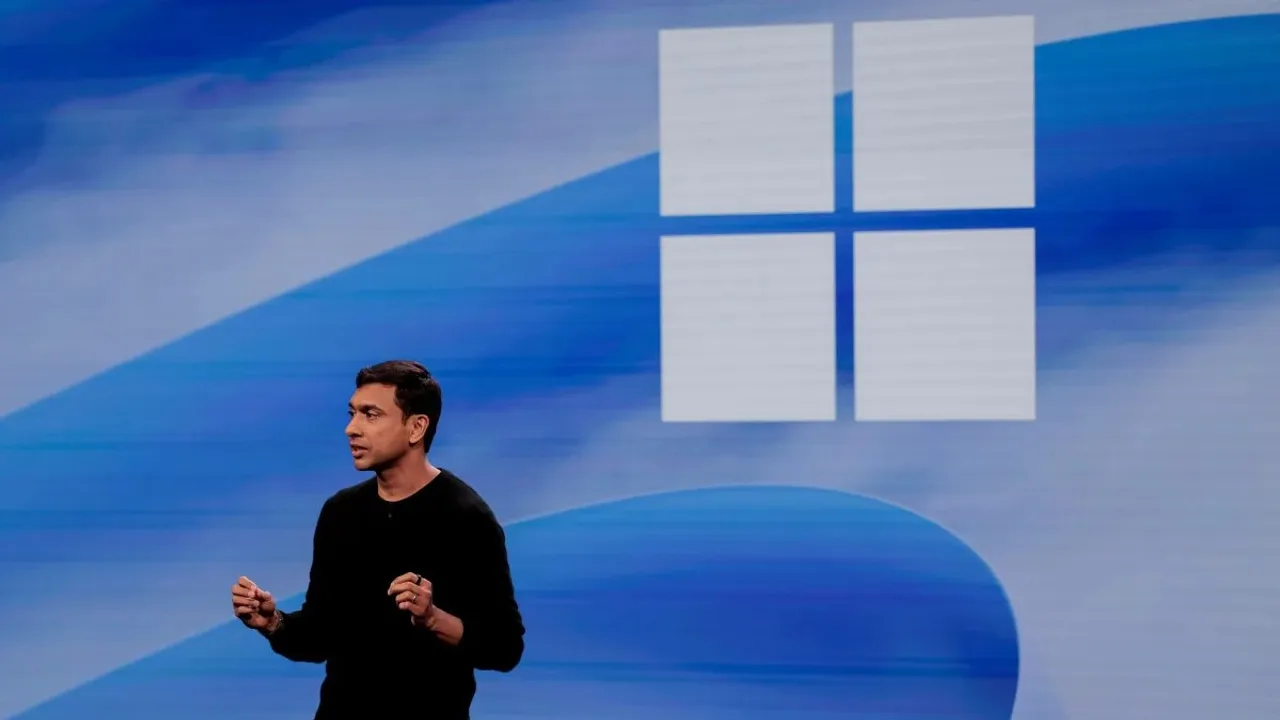
Windows executive Pavan Davuluri shared the results of in-house laboratory tests conducted on hardware with 8 GB RAM. Davuluri stated that the system operates up to 20 percent more responsively, while multitasking processes accelerated by up to 40 percent. These performance figures are based on measurements in Microsoft's own testing environment.
Reklam
How does memory compression work?
The memory compression method forms the basis of the performance increase in the update. The system shrinks data, allowing it to occupy less space on the RAM. With this adjustment, Windows 11 can keep up to 2 GB more of active data directly inside the RAM memory. This prevents data from being transferred to slower storage drives.
Pavan Davuluri stated that an application or browser tab left open in the background reduces the need to reload when the user returns. The memory compression process decreases the frequency with which data is written to the virtual memory file on the disk. The reduction in disk write operations prevents momentary stutters and pauses during daily computer use.
Where Are Memory Savings Achieved?
Microsoft reduced system-wide allocated memory by up to 900 MB through optimizations in the operating system interface, Microsoft Edge browser, and Microsoft 365 applications. The areas where memory savings were achieved are listed as follows:
Reklam
Be the first to know
Join our channel and get key developments straight on your phone.
TechTurco Telegram ChannelMute or leave any time
- Improvements in Word, Excel, PowerPoint, and Outlook provide a total of 360 MB of RAM savings.
- On devices with 8 GB RAM, the Widget panel is not loaded in the background unless opened by the user. This change brings a 200 MB memory gain.
- Tabs remaining in the background in the Microsoft Edge browser automatically enter sleep mode after 15 minutes of inactivity.

Improvements Planned in the Coming Months
In addition to the developments above, Microsoft stated that the development processes for memory efficiency are not yet completed.
In the coming months, plans call for making the memory compression infrastructure smarter. Common components such as operating system features, widgets, and the search function will run on a single web engine.
The company is also working jointly with computer manufacturers and processor makers.
Reklam
This collaboration aims to optimize the amount of memory reserved by hardware and leave more RAM space directly to the Windows 11 operating system. While the new performance update begins rollout as of today, the release schedule for subsequent updates has not yet been announced.
Reklam
This article was translated from Turkish. Read the original article in Turkish.
More in Software