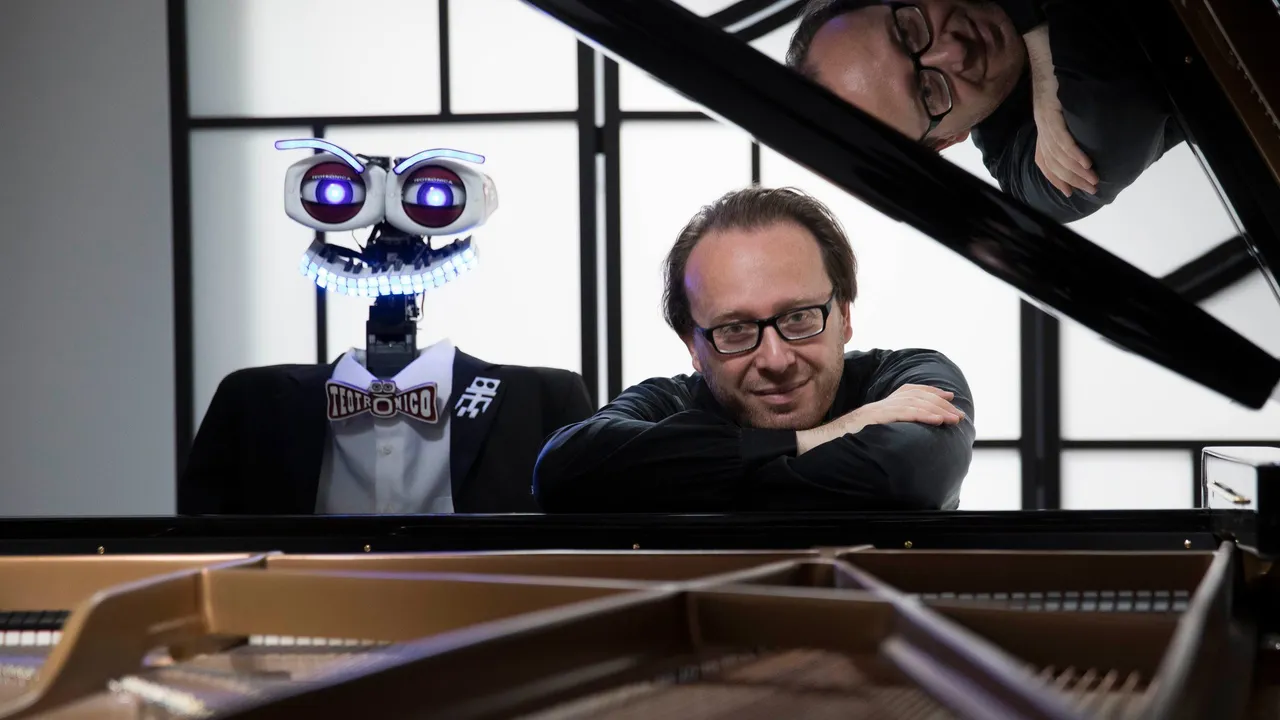
The state of AI has been put on display once again. This time a piano robot with 53 mechanical fingers took the stage to play Chopin, one of the most celebrated composers, alongside world-renowned pianist Roberto Prosseda.
The piano robot TeoTronico drew attention on November 12, 2026, in Prato, in Italy's Tuscany region, where it shared the stage with pianist Roberto Prosseda. The duo first played works by Frédéric Chopin in turn, then went on to perform together. The robot also played pieces by Mozart and Nikolai Rimsky-Korsakov.
Developed since 2008
Developed since 2008 by Italian engineer Matteo Suzzi, TeoTronico runs on 53 mechanical fingers positioned just above the keys. These fingers are controlled by an electromagnet system and computer commands.
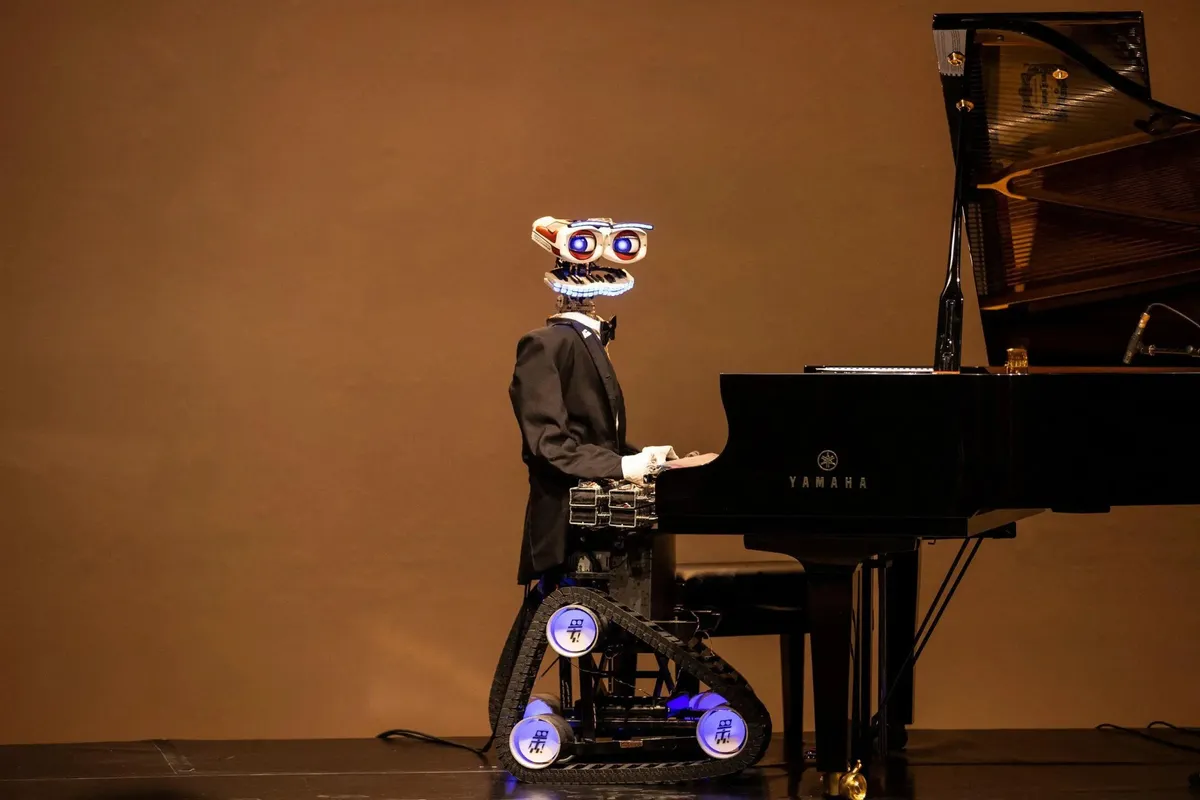
As a result, the robot plays pieces at a steady tempo and with high precision; unlike a human pianist, it does not tire physically. A human pianist uses 10 fingers.
Gemini AI integrated
Google's AI chatbot Gemini has also been integrated into TeoTronico. This allows the robot to talk with artists and audience members and answer their questions. This conversational ability operates separately from the mechanical system that plays the piano. Reports from the event also note that the robot cited its own 53 fingers as an advantage over its human rival.
Prosseda: Music is more than notes
On a technical level, the robot's advantages are beyond dispute. The performance, however, highlighted the difference between the machine and the human artist: the transfer of emotion. According to Prosseda, music goes far beyond playing the notes correctly as written in the score. The artist brings personal interpretation, creativity and genuine feeling to the stage. For Prosseda, the purpose of a concert is to create a special moment for the listener and move them to tears.
In the age of AI, the performance drew a clear line: machines can reproduce music with impressive accuracy, but turning human emotion into a live artistic performance remains an entirely different matter.